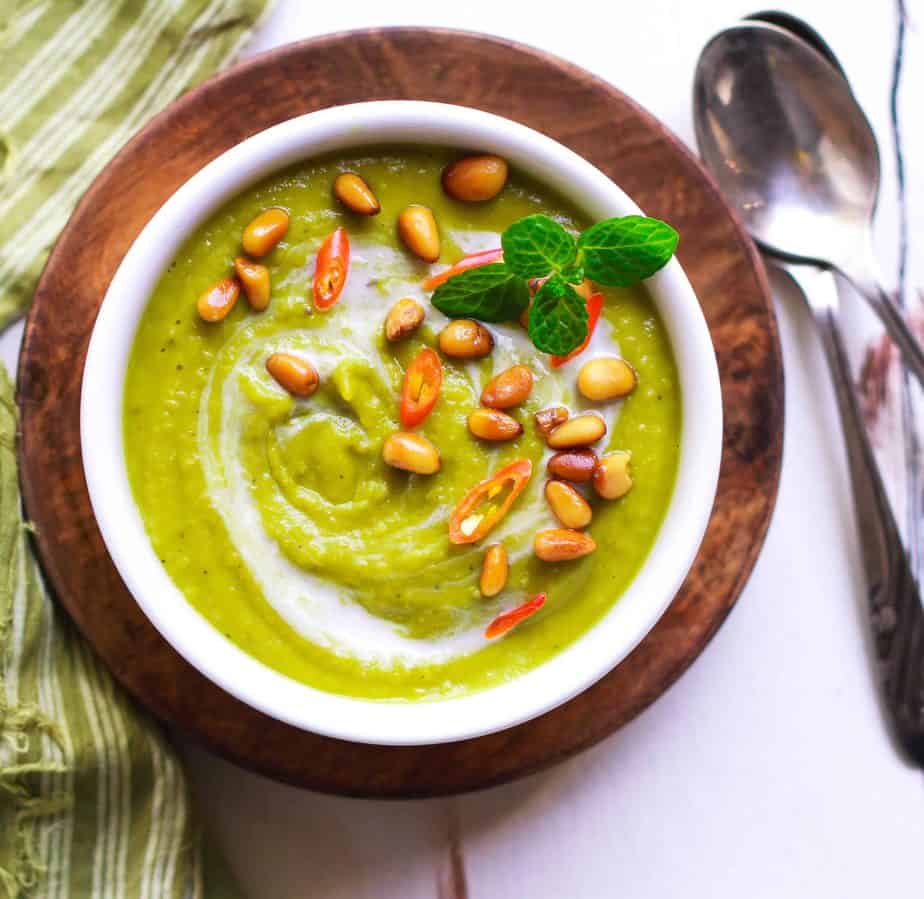
The Timeless Allure of Velvety Cream of Pea Soup
There's something inherently comforting and elegant about a bowl of cream of pea soup. With its vibrant color and luxurious, velvety texture, it’s a dish that transcends seasons, offering warmth on a chilly evening and a refreshing lightness in the spring. What makes this classic so beloved? Its remarkable simplicity, incredible versatility, and a delightful flavor profile that allows the natural sweetness of peas to truly shine. Whether you're a seasoned chef or a kitchen novice, mastering a truly velvety cream of pea soup is an achievable and incredibly rewarding culinary endeavor.
For many, peas hold a special place, often evoking memories of garden harvests or simple, wholesome meals. These tiny green gems are not only delicious but also packed with nutrition – a fantastic source of vitamins K, C, and A, as well as fiber and protein. While some might think of peas as merely a side dish, this soup elevates them to star status. And the best part? You don't need exotic ingredients or complicated techniques. With just a few staple items and a blender, you can transform humble peas into a restaurant-quality starter or a light, satisfying main course. This guide will walk you through creating a perfect, easy cream of pea soup, whether you prefer the convenience of frozen peas or the seasonal delight of fresh ones.
Crafting the Classic Velvety Green Cream of Pea Soup
The foundation of an exquisite cream of pea soup lies in its core ingredient: the peas themselves. While fresh peas, especially those just picked from the garden, offer an unparalleled sweetness and vibrancy, frozen peas are an excellent and often more convenient substitute. In fact, many culinary experts argue that frozen peas, picked and flash-frozen at their peak, can offer a more consistent flavor profile than out-of-season fresh peas found at the grocery store.
Ingredients for Your Velvety Dream
- Peas: 3 cups, fresh or frozen. If using fresh, ensure they are shelled. If frozen, there's no need to thaw them beforehand.
- Aromatics: A small onion and a clove or two of garlic. These provide a subtle background flavor that complements the peas without overpowering them.
- Broth: 3-4 cups of good quality vegetable broth. This forms the liquid base and contributes significantly to the soup's depth.
- Fat: A tablespoon of olive oil or butter for sautéing.
- Creaminess Factor: While traditional recipes often call for heavy cream for that ultimate velvety finish, you have fantastic alternatives. Plain yogurt or sour cream can add tang and thickness without the richness of heavy cream. For a dairy-free or vegan option, full-fat coconut milk or even oat milk works wonderfully, imparting a subtle creaminess.
- Seasoning: Salt, freshly ground black pepper. A pinch of nutmeg can also enhance the flavor, and a squeeze of fresh lemon juice at the end brightens the entire dish.
The Easy Stove-Top Method for Perfection
- Sauté the Aromatics: In a medium pot or Dutch oven, heat your chosen fat over medium heat. Add finely chopped onion and sauté until softened and translucent, about 3-5 minutes. Add minced garlic and cook for another minute until fragrant, being careful not to burn it.
- Add Peas and Broth: Stir in your peas (fresh or frozen) and pour in 3 cups of vegetable broth. Bring the mixture to a gentle simmer.
- Simmer to Tenderness: Reduce the heat to low, cover, and let it simmer for about 5-7 minutes. If using fresh peas, cook until they are tender. Frozen peas will cook even faster. The goal is to cook the peas until soft enough to blend easily, but not overcooked, which can dull their color and flavor.
- Blend to Velvety Smoothness: Carefully transfer the hot soup mixture to a blender. Alternatively, use an immersion blender directly in the pot. Blend until completely smooth and creamy. This is where the magic happens! For an extra-silky texture, you can pass the blended soup through a fine-mesh sieve, though this step is often optional, especially if your blender is powerful.
- Finish and Season: Return the pureed soup to the pot (if using a standard blender). Stir in your chosen creaminess agent (heavy cream, yogurt, sour cream, or plant-based milk). Heat gently, but do not boil after adding dairy or plant-based milks, as they can sometimes curdle. Season generously with salt and pepper to taste. A hint of fresh mint or parsley stirred in at this stage or as a garnish can truly elevate the freshness.
For a beautiful presentation, serve your velvety cream of pea soup in warm bowls, garnished with a swirl of cream, a sprinkle of fresh herbs, or a few homemade croutons. The vibrant green color makes it a feast for the eyes as well as the palate.
Beyond Green: Exploring Yellow Pea Soup and Ancient Roots
While the vibrant green cream of pea soup is arguably the most recognized, the world of pea soups is much broader and richer than you might imagine. Step back in time, and you'll discover the fascinating tradition of yellow pea soup, a dish with roots stretching back to Ancient Greece and Rome. Imagine savoring a soulful, creamy soup that has been enjoyed since antiquity, even mentioned in Aristophanes' "The Birds." For a deep dive into this historical delight, explore our article on Ancient Vegan Yellow Pea Soup: Creamy, Hearty, and Versatile.
What sets yellow pea soup apart, particularly the traditional versions, is often the use of whole yellow peas rather than split peas. This offers a unique texture and a different cooking approach. By cooking whole peas first, usually with aromatics like onion and vegetable stock, you gain precise control over the final consistency. You can gradually add liquid during blending, achieving anything from a thick, almost "saucy" consistency to a thinner, more traditional soup. One intriguing characteristic of yellow pea soup made with whole peas is its tendency to thicken considerably after a night in the fridge, sometimes transforming into a texture more akin to mashed potatoes. This unique property opens up possibilities for using leftovers as a spread, a side dish, or even a mild, savory curry sauce when reheated with a splash of broth or oat milk.
The flavor profile of yellow pea soup often embraces earthy spices like turmeric and paprika, combined with garlic and onion, creating a hearty and deeply satisfying vegan meal. When blended with oat milk, it achieves a remarkable creaminess without any dairy. This ancient dish serves as a wonderful example of how simple ingredients can create profoundly comforting and versatile food.
And the global journey of pea soup doesn't stop there. Across Spain, you'll find "Crema de Guisantes," a creamy Spanish pea soup that exemplifies simple, delicious food at its best. If you're curious about this Mediterranean take on pea soup, be sure to check out our piece on Creamy Spanish Pea Soup: "Crema de Guisantes" – Best Ever?.
Tips for the Perfect Cream of Pea Soup Every Time
Achieving that dreamily smooth, flavorful cream of pea soup consistently is easier with a few insider tips:
- Don't Overcook the Peas: Whether fresh or frozen, peas only need a short time to cook until tender. Overcooking can lead to a loss of their vibrant green color and can sometimes introduce a slightly bitter note.
- Blend Thoroughly: For a truly velvety texture, blend the soup for at least 2-3 minutes. A high-speed blender will yield the smoothest result. If you don't have one, an immersion blender is still very effective; just ensure you've blended all the pea skins for that silky feel.
- Season as You Go: Add a little salt and pepper during the simmering phase, then adjust again after blending and adding the cream. Tastes can change with texture and temperature.
- Brightness is Key: A small squeeze of fresh lemon juice or a dash of white wine vinegar at the very end (after blending and reheating) can incredibly brighten the soup's flavor. Don't underestimate this small addition!
- Storage and Freezing: Cream of pea soup freezes beautifully. Allow it to cool completely before transferring it to airtight containers or glass jars, leaving some headspace for expansion. It can be stored in the freezer for up to 6 months. Thaw overnight in the refrigerator and reheat gently on the stove, adding a splash of broth or water if it's too thick.
- Experiment with Toppings: Beyond traditional croutons, consider crispy bacon bits or pancetta, a dollop of crème fraîche or plain Greek yogurt, toasted pumpkin seeds, a drizzle of high-quality olive oil, or a scattering of microgreens or fresh pea shoots for added texture and visual appeal.
Remember, the beauty of this soup lies in its adaptability. Don't hesitate to adjust the consistency to your preference – add more broth for a thinner soup or less liquid for a thicker, heartier meal.
Whether you’re seeking a quick, healthy weeknight dinner or an elegant starter for a special occasion, cream of pea soup delivers every time. Its inherent goodness, coupled with the ease of preparation, makes it a truly indispensable recipe in any home cook's repertoire. From the classic green version to the ancient yellow pea variations, there's a pea soup for every palate and every season. So go ahead, gather your ingredients, and prepare to indulge in a bowl of pure, velvety comfort.
