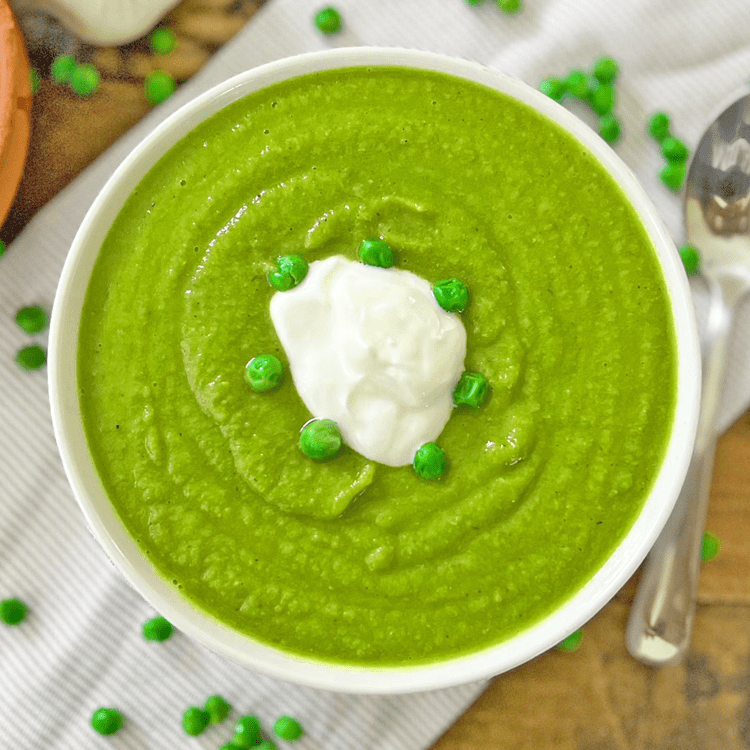
Unveiling Crema de Guisantes: Is This Creamy Spanish Pea Soup the "Best Ever"?
The quest for the ultimate bowl of comforting, velvety smooth soup often leads us down familiar paths, but sometimes, a specific regional interpretation elevates a classic to new heights. Enter "Crema de Guisantes," a Creamy Spanish Pea Soup that promises not just sustenance but an experience. While the idea of a
cream of pea soup might seem universally appealing, the Spanish approach, with its emphasis on quality ingredients and straightforward techniques, often results in a dish that truly lets the vibrant flavor of fresh peas sing. Could this be the best ever? Let's delve into what makes Crema de Guisantes a contender for that coveted title.
At its heart, Crema de Guisantes embodies the philosophy that simple, delicious food is often the most profound. Unlike some elaborate culinary creations, this soup relies on the natural sweetness of peas, enhanced by the aromatic bedrock of Spanish cooking: olive oil, garlic, and sometimes a hint of paprika. It's a celebration of seasonal produce, transformed into a luxuriously smooth puree that can warm you from the inside out. For those familiar with a classic
Velvety Cream of Pea Soup: Easy Recipe, Fresh or Frozen Peas, the Spanish version offers a subtle yet distinctive twist, showcasing how regional nuances can redefine a beloved dish.
The Quest for Perfect Creaminess: Achieving That Velvety Texture in Your Crema de Guisantes
The hallmark of any exceptional
cream of pea soup, and particularly Crema de Guisantes, is its utterly smooth, velvety texture. This isn't just about blending; it's about preparation, ingredients, and technique. The goal is a consistency that coats the spoon, light enough to be delicate yet rich enough to satisfy.
Ingredients That Contribute to the Silky Finish
*
The Peas Themselves: Whether you opt for fresh or frozen green peas, ensuring they are cooked until tender is the first step. Overcooking slightly is often beneficial, as softer peas blend more easily into a homogenous puree.
*
Healthy Fats: A generous glug of good quality extra virgin olive oil is non-negotiable in Spanish cuisine. It not only adds a characteristic flavor but also contributes to the soup's mouthfeel and helps emulsify the blend.
*
Dairy or Dairy Alternatives: While traditional recipes might call for heavy cream for that unmistakable richness, the beauty of a
cream of pea soup lies in its adaptability. For a lighter touch, plain yogurt or sour cream can be excellent substitutes, adding tang and body. For a vegan Crema de Guisantes, oat milk or even a cashew cream (made by blending soaked cashews with water) can provide incredible creaminess without any dairy. The goal is to enhance, not overpower, the pea flavor.
*
Vegetable Broth: Using a high-quality vegetable broth or even the cooking liquid from the peas themselves (as seen in certain traditions, like the
Ancient Vegan Yellow Pea Soup: Creamy, Hearty, and Versatile) is vital. It provides the necessary liquid for blending and forms the flavorful base.
Mastering the Blending Process
Once your peas are cooked and combined with aromatics and broth, the blending stage is critical.
1.
Cooling Down (Optional but Recommended): For safety and best results, allow the soup to cool slightly before blending. This prevents steam from building up and causing the lid to explode if using a stand blender.
2.
Blender Choice: A powerful stand blender will yield the smoothest results, ensuring no fibrous bits remain. Alternatively, an immersion blender (handheld blender) is incredibly convenient for blending directly in the pot, minimizing cleanup.
3.
Technique: Blend in batches if using a stand blender, filling the pitcher no more than halfway. Start on a low speed and gradually increase. Continue blending until the soup is utterly smooth – often longer than you might think.
4.
Straining (Optional): For the absolute silkiest texture, some chefs pass the blended soup through a fine-mesh sieve. This step removes any last remaining skins or fibrous pieces, guaranteeing a restaurant-quality finish. While not strictly necessary for a home-style Crema de Guisantes, it truly elevates the texture.
Fresh, Frozen, or Ancient: The Versatility of Peas in Your Creamy Soup
One of the most appealing aspects of making a
cream of pea soup is the versatility of its star ingredient: peas. Whether you're harvesting them fresh from the garden or grabbing a bag from the freezer, peas deliver delicious results.
The Great Pea Debate: Fresh vs. Frozen
*
Fresh Peas: When peas are in season, usually late spring to early summer, there's nothing quite like the sweet, vibrant flavor of fresh peas. If you have access to them, snap them up! They require minimal cooking and bring an unparalleled brightness to your soup. However, shelling them can be a labor of love.
*
Frozen Peas: For most of the year, high-quality frozen peas are an absolute lifesaver – and often, surprisingly, a superior choice to "fresh" peas that have traveled long distances and lost their sweetness. Frozen peas are typically blanched and flash-frozen at their peak, locking in flavor and nutrients. This makes them incredibly convenient and a reliable option for a fantastic
cream of pea soup any time. As noted in classic recipes, you can absolutely use frozen peas, especially in winter.
Exploring the World Beyond Green Peas: Yellow Peas and Ancient Roots
While Crema de Guisantes typically refers to green pea soup, the world of pea soups is wonderfully diverse. Take, for instance, the historical journey of yellow pea soup. Mentioned in texts from Ancient Greece and Rome, this dish has sustained civilizations for millennia. Made with whole yellow peas, rather than their green counterparts or even split yellow peas, it offers a different texture and flavor profile.
The use of whole yellow peas, as highlighted in some ancient recipes, provides a unique control over creaminess. By cooking them first, you can gradually add liquid, achieving anything from a runny soup to a thick, almost mashed potato-like consistency once refrigerated. This showcases how the type of pea can dramatically alter the culinary experience, offering a hearty, soulful alternative to the lighter green pea soup. For your Crema de Guisantes, sticking to green peas will give you that signature vibrant hue and sweeter flavor, but understanding the breadth of pea varieties enriches your culinary perspective.
Elevating Your Crema de Guisantes: Tips, Tricks, and Customizations
To truly make your Crema de Guisantes the "best ever," consider these tips for building flavor, ensuring perfect consistency, and delightful serving.
Building Layers of Flavor
*
Aromatics are Key: Beyond olive oil and peas, start your soup by gently sautéing finely chopped onion and garlic until translucent. This creates a sweet, savory foundation. A pinch of Spanish smoked paprika (pimentón) can add a wonderfully subtle depth and a hint of authentic Spanish character without overpowering the delicate pea flavor.
*
Herbal Infusion: Fresh herbs like mint or parsley pair beautifully with peas. Add a small handful of fresh mint leaves to the blender with the peas for a bright, refreshing lift, or stir in chopped parsley at the end.
*
Season Generously: Don't forget salt and freshly ground black pepper. Taste and adjust as you blend and reheat. A squeeze of fresh lemon juice at the very end can also brighten all the flavors.
Achieving and Maintaining Perfect Consistency
*
Adjusting as You Go: As you blend, add your vegetable broth or milk substitute gradually until you reach your desired consistency. Some prefer a thicker soup, almost like a puree, while others like it a little more liquid.
*
Refrigeration Effect: Be aware that many creamy soups, especially those relying on vegetables and starches (like peas), will thicken considerably once refrigerated. If your soup becomes too thick overnight, simply thin it out with a little extra vegetable broth or oat milk when reheating on the stovetop. It can even transform into a delicious "curry sauce" consistency, as some recipes note, perfect for serving over grains or as a side.
*
Freezing for Later: This
cream of pea soup freezes beautifully. Portion it into freezer-safe containers or glass jars (leaving headspace for expansion) and store for up to six months. Thaw overnight in the refrigerator and reheat gently, adjusting consistency as needed.
Delightful Serving Suggestions and Garnishes
A beautiful bowl of Crema de Guisantes deserves an equally beautiful presentation.
*
A Swirl of Excellence: Finish each serving with a drizzle of your best extra virgin olive oil.
*
Crunchy Toppings: Homemade croutons, toasted almond slivers, or crispy fried bits of Serrano ham or chorizo (for non-vegan versions) add a delightful textural contrast.
*
Freshness Factor: A scattering of fresh mint leaves, parsley, or even a few whole peas can make the dish pop visually and add a fresh burst of flavor.
*
Creamy Dollop: A dollop of plain yogurt, sour cream, or crème fraîche can add another layer of creaminess and a pleasant tang.
Conclusion: Is Crema de Guisantes the Best Ever Cream of Pea Soup?
The question of whether Crema de Guisantes is truly the "best ever"
cream of pea soup is, of course, subjective. However, what is undeniable is its exceptional quality, defined by its simplicity, vibrant flavor, and luxurious texture. This Spanish interpretation elevates a humble ingredient to a culinary star, proving that sometimes, less truly is more.
With its harmonious blend of sweet peas, aromatic garlic and onion, the richness of olive oil, and optional touches of cream or plant-based alternatives, Crema de Guisantes offers a deeply satisfying experience. Whether you're seeking a comforting meal on a chilly evening, a light and healthy appetizer, or a way to celebrate fresh seasonal produce, this Creamy Spanish Pea Soup provides an unforgettable journey for your taste buds. We encourage you to try it and discover for yourself why this "Crema de Guisantes" might just become your new favorite.